Recognizing Peptide Purity: What 99%+ Actually Suggests
Peptide Quality Control & Purity Testing Boc Scientific Researches
HPLC can show the visibility of extra optimals; LC-MS can help designate most likely identifications to those associated types. Oxidation modifications molecular buildings and can change retention behavior, producing unique chromatographic tops or related mass shifts. With each other, these devices offer a clear and comprehensive photo of peptide structure, making sure scientists can trust their data. Kai is the lab's AI research aide-- powered by Claude (Anthropic) and GPT (OpenAI)-- responsible for technical writing, literature testimonial, COA verification, and compound evaluation.
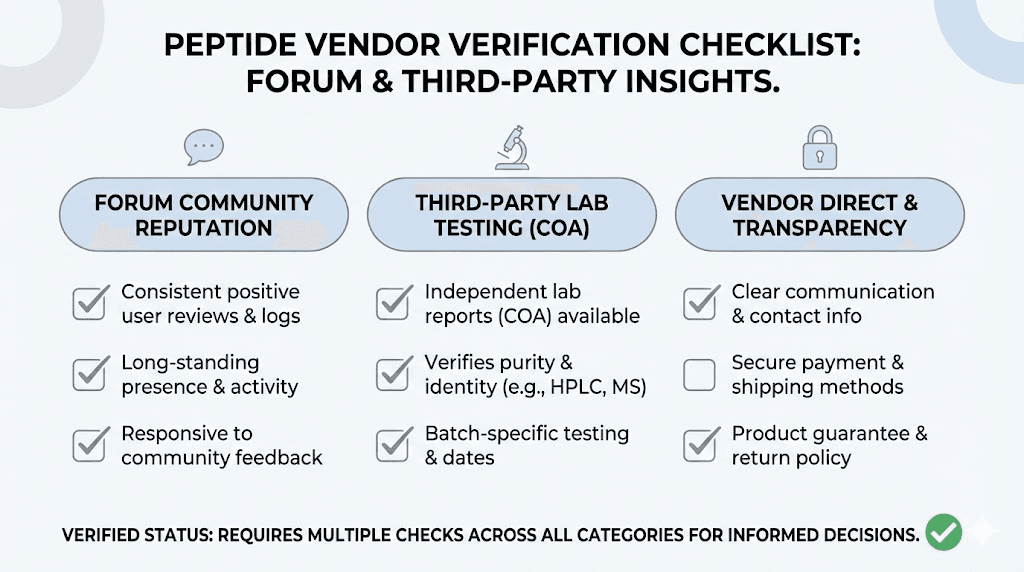
BOC Sciences provides multi-batch contrast evaluation to aid clients establish basic material quality criteria and make sure consistency.These counterions aren't "contaminations" in the HPLC sense-- they don't appear as different optimals-- but they do add to the total mass of the powder.In fact, a laboratory offering peptide testing have to provide information meeting the rigorous logical assumptions of companies like FDA and EMA [4]It is a graph with time on the horizontal axis and detector reaction, normally UV absorbance, on the upright axis.By using a qualified third-party lab, peptide makers or scientists make sure an impartial and expertly documented assessment of top quality, which is specifically what examiners seek.
It's possible to have a peptide that is, claim, 95% pure by HPLC and yet the net peptide content is something like 70% of the powder's weight (the rest being water and salts). Don't be upset-- this is normal and is generally identified by separate analyses (like amino acid evaluation). Peptide pureness is most generally identified by high-performance fluid chromatography (HPLC) with a detection wavelength of 220 nm, which is ideal for finding peptide bonds. This technique separates peptides from impurities and measures both target peptides and pollutants, guaranteeing premium examples for research study.
Our Peptide Pureness Determination Services
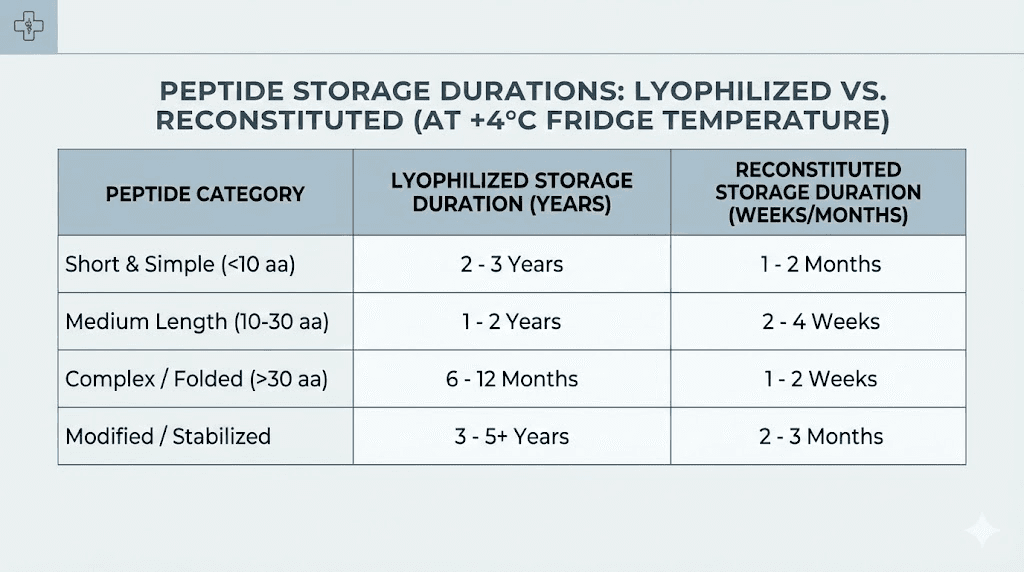
It is one reason correct peptide storage and reconstitution techniques matter. Partial peptide fragments can result from incomplete synthesis or post-synthesis degradation. These pieces are typically smaller than the target peptide and may elute at various retention times.
What Other Tests Might Add
The gold requirement for gauging peptide pureness is high-performance fluid chromatography, generally abbreviated as HPLC. If you see a purity portion on a peptide product, it probably came from an HPLC evaluation. This matters due to the fact that peptides are constructed one amino acid at a time via solid-phase peptide synthesis (SPPS). At each action, there's a small opportunity that something fails-- an amino acid does not attach, the incorrect alteration occurs, or a side response generates an unplanned result. Over follow this link a chain of 10, 20, or 40 amino acids, those little per-step mistake rates substance.The table listed below web links common job goals to practical analytical panels and the kind of decisions they assist support. Asparagine and glutamine deposits can go through deamidation, altering the peptide's cost and hydrophobicity. Deamidation is one reason storage conditions matter, Peptide Vendor especially after a peptide has actually been reconstituted. Every item we bring is lab-tested and validated by third-party companions, so scientists understand precisely what they're collaborating with. Peptides having methionine or cysteine residues are prone to oxidation. Methionine can be oxidized to methionine sulfoxide; cysteine can develop undesirable disulfide bonds or be oxidized to sulfinic or sulfonic acid derivatives.